A Commitment to Sustainability
Athghin’s long-term goal is self-sustainability. We want to plant deep roots wherever we are planted, and in order to do that, we need to have a sustainable model that avoids the need to either constantly raise funds to cover operating budgets or charge so much that our our friends with ministry-salary budgets are not able to afford to come stay with us. Pursuing sustainability means establishing Athghin in such a way that ongoing operational costs are met and stays are affordable. Our solution: Stillpoint.
Stillpoint is a for-profit subsidiary of Athghin whose profits are used to fund our yearly operating costs.
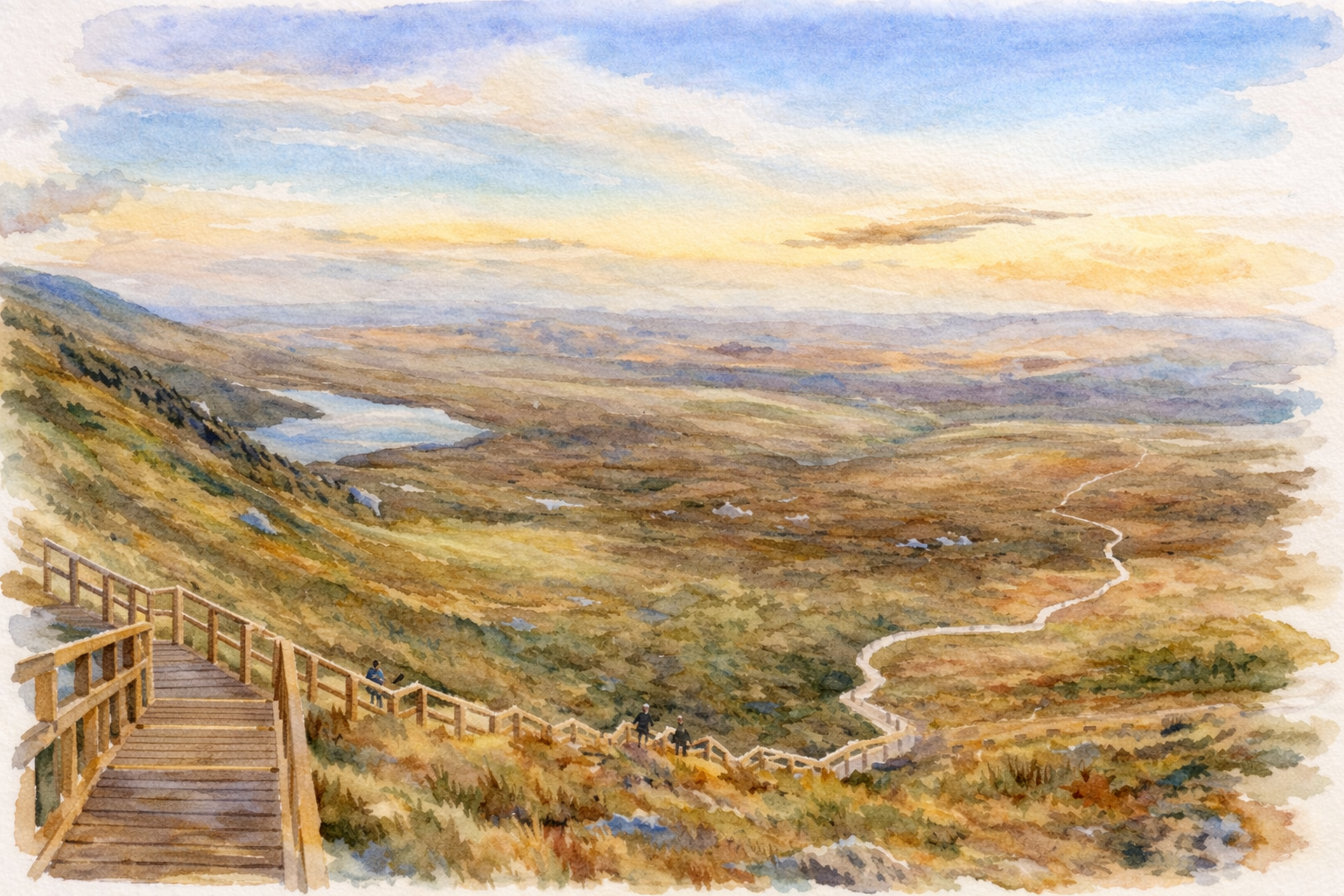
On the property of Athghin, alongside our offerings for those in ministry, we will establish Stillpoint. Stillpoint will consist of 6-8 boutique camping stays, from bespoke cabins that match their surroundings to tree houses to canvas tents with wood-fire heaters. Each unique stay will offer a chance for anyone to come and enjoy the wildness and beauty of Ireland in a serene environment. Stillpoint will be operated as a business committed to business excellence and incredible experiences for our guests, who will pay market rates. Those who come stay at Stillpoint are free to avail of the grounds of Athghin, join in the work on the farm or in the kitchen, and even join the community for dinner if they so desire. The Stillpoint experience will be marked by attention to detail and radical hospitality.
We also pursue sustainability through…
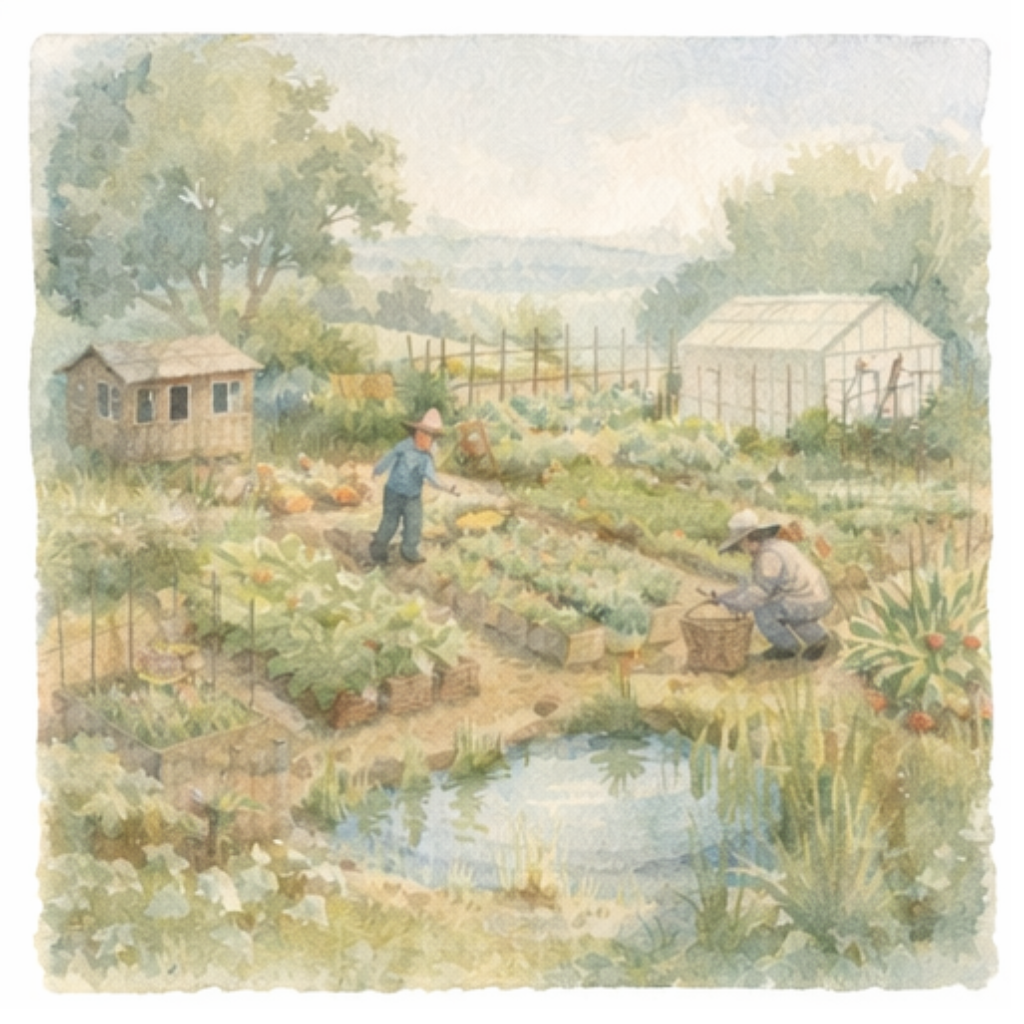
Small-scale regenerative agriculture
Growing our own food in regenerative ways aligns with our philosophy and core practice of cultivating beauty, but it also provides a practical way to lower our operating costs over time.
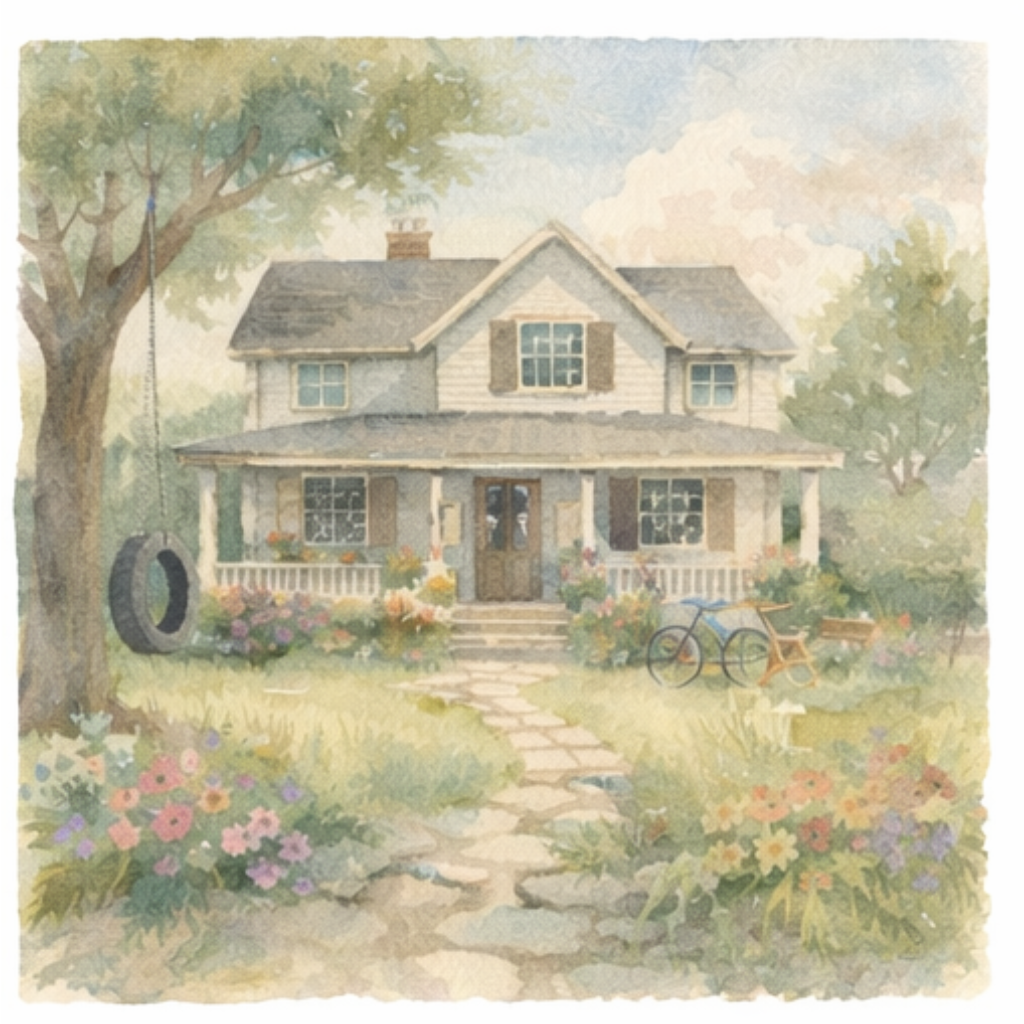
On-site staff housing
Two major issues for ministry workers, especially those that raise support, are the large financial need to pay for housing and a reported lack of rootedness in a sense of place. Building on-site staff housing addresses both of those needs, allowing for a more sustainable community environment.
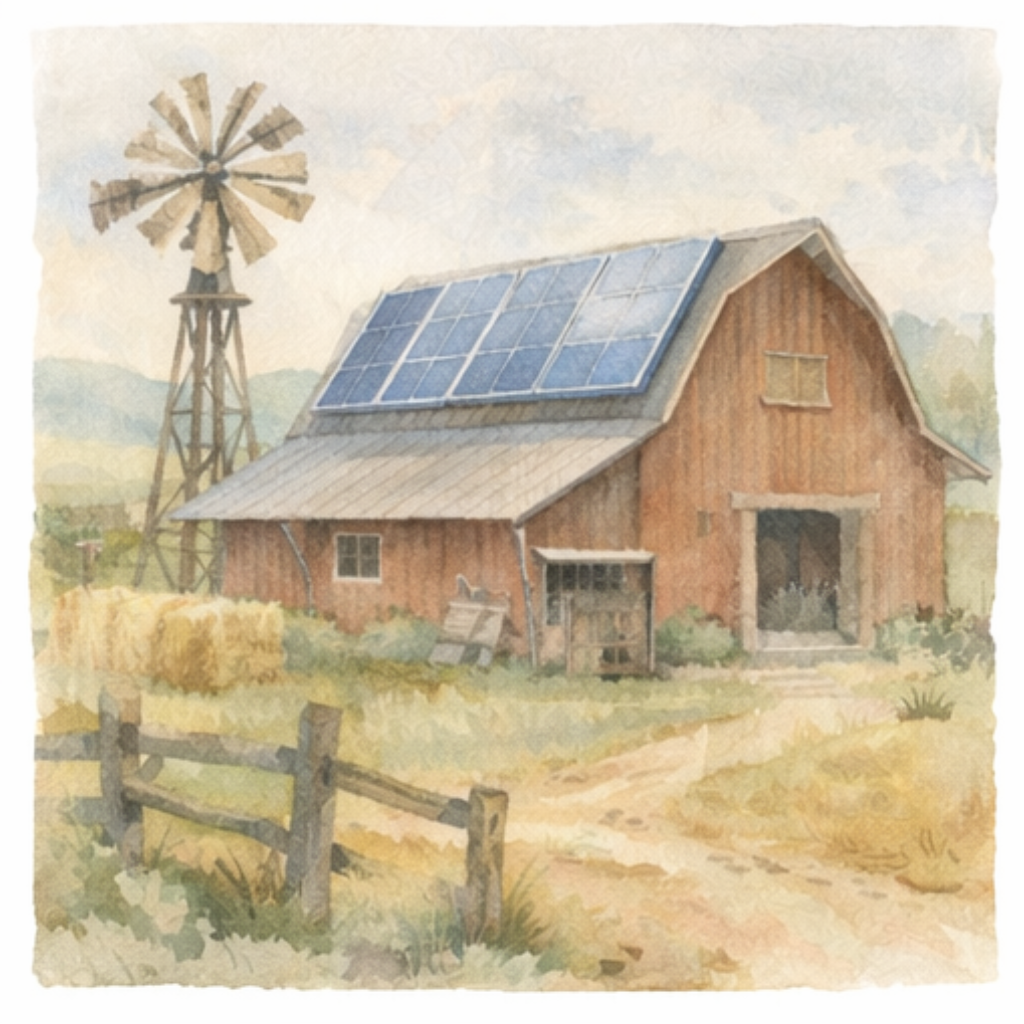
Renewable energy sources
A combination of wind, solar, and wood-fired power is beneficial for both our land and our ongoing financial needs. Lower electricity costs means those funds can be used for other sustainability measures across the property.

A culture of mutual-submission
Team conflict and leadership bottlenecks can lead to worker burn-out, over dependence on just a few people, and high turnover in a community or working team. Developing a culture that addresses conflict with grace and repair, acknowledges and responds to power dynamics, and has a strong enough operational architecture to weather transitions in leadership is one of our top priorities.